


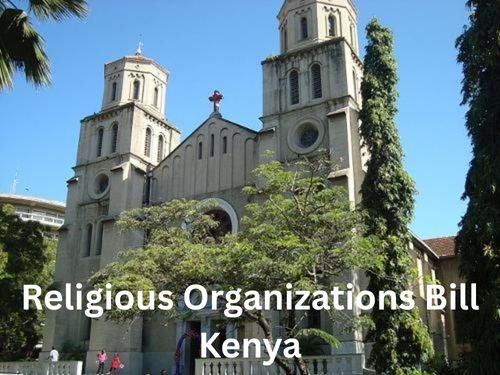
OVERVIEW OF THE RELIGIOUS ORGANIZATIONS BILL, 2024: KENYA
Introduction
The State Department for National Government Coordination (Kenya) is set to conduct Public Participation on 15th -19th December 2025 on the Draft Religious Organizations Bill, 2024. This is a Senate Bill that is meant to establish a legal framework for the registration, regulation, governance, and oversight of religious organizations operating in Kenya. The Bill emerges against a backdrop of concerns about gaps in the existing regulatory regime (primarily under the Societies Act), religious exploitation, the rise of extremist groups, and the need for structured accountability in faith‑based institutions. The Bill’s formulation followed recommendations from a Presidential Taskforce on the legal and regulatory framework governing religious organizations in Kenya. The Bill seeks to balance the constitutional freedom of religion (under Article 32 of the Constitution) with the need to ensure that religious organizations operate transparently, responsibly, and in ways that promote public safety, social cohesion, and human rights.
Under the Bill, a “RELIGIOUS ORGANIZATION” is defined to mean a voluntary and independent association of fifty (50) or more people that is founded on a belief in a supernatural power and is established for joint worship. A “RELIGIOUS INSTITUTION” means a religious organization, umbrella religious organization or religious association registered under the Act and A “RELIGIOUS ASSOCIATION” means a community of people from the same or different religions, religious organizations or umbrella religious organizations who come together for a common purpose and is registered under the Act.
The Bill, aims to achieve several key objectives. These include:
- It seeks to protect and promote the constitutional freedoms of religion and belief under Article 32 as well as the freedom of association under Article 36 of the Constitution.
- It provides a legal and institutional framework to guide and support the operations of religious institutions in Kenya.
- It introduces mechanisms to combat religious extremism and prevent the misuse of religious freedom.
- It also promotes good corporate governance, transparency, and accountability within religious organizations. and lastly,
- The Bill is designed to enhance religious tolerance across all faith communities in the country.
Establishment of the Religious Affairs Commission and Registrar
One of the Bill’s most significant reforms is the establishment of a Religious Affairs Commission (the “Commission”) established under section 6 and the Office of the Registrar of Religious Organizations under Section 11. The primary function of the Commission shall include:
- to oversee the registration, governance, and conduct of religious organizations.
- be responsible for the registration of religious organizations, umbrella religious organizations and religious associations.
- oversee the registration, supervision, and monitor compliance of religious organizations.
- develop and publish a code of conduct, undertake research on matters affecting religious institutions and sensitize the public on religious liberty, religious tolerance, religious extremism and abuse of the freedom of religion and belief.
The commission shall consist of a chairperson appointed by the President, the Registrar of Religious Organizations, who shall be an ex officio member of the Commission and shall have no right to vote at any meeting of the Commission and other members under section 9. That is the Attorney-General or his representative, the Principal Secretary to the National Treasury or his representative, the Principal Secretary responsible for matters relating to internal security or his representative, one person nominated by the Evangelical Alliance of Kenya, one person nominated by the National Council of Churches of Kenya, one person nominated by the Kenya Conference of Catholic Bishops, one person jointly nominated by the Supreme Council of Kenya Muslims, the Council of Imams and Preachers of Kenya and the Shia Ithnashari Jamaats and one person nominated by the Hindu Council of Kenya.
The registrar shall be appointed by the Commission through an open, transparent and competitive process on such terms and conditions as the Commission shall determine, in consultation with the relevant Government agencies. The Registrar shall be the chief executive officer of the Commission. The Registrar shall be responsible for executing the decisions of the Commission, the day-to-day administration and management of the affairs of the Commission and for the organisation, control and management of the members of staff of the Commission. The Commission and Registrar are empowered to ensure that religious entities adhere to statutory requirements and the Bill’s standards.
Registration of Religious Institutions
Under the Bill, any group seeking to operate as a religious institution in Kenya must first be registered. Operating without registration is an offence. The Bill also outlines a process for reserving or changing the name of a religious institution. Applications must be submitted to the Commission in the prescribed format, signed by three (3) office bearers, and accompanied by a prescribed fee. The Commission has 14 days to either approve the name and issue a reservation certificate or reject it with reasons. A name will not be reserved if it’s offensive, misleading, identical to another, or implies a connection to government bodies. Once approved, the name is reserved for 30 days, extendable to 60 days.
To register a religious organisation under the Bill, an application must be submitted to the Commission along with key documents including:
- A name reservation certificate
- The organization’s constitution
- Organization’s and officials’’ contact details (postal addresses, e-mail addresses, residential address and telephone number)
- The names, telephone numbers, postal, e-mail and physical addresses of the founders, religious leaders and proposed office bearers
- Theological qualifications of office bearers (a certified copy of a certificate, diploma or degree in theology or its equivalent from a recognized theological institution from all the office bearers of the religious organization)
- A list of at least 50 members including office bearers (duly signed by them)
- A recommendation letter from an umbrella religious body. And
- Prescribed fees.
At least one-third of the members must be Kenyan citizens, and the organisation must have a Chairperson, Secretary, and Treasurer. If the application meets all requirements, the Commission will register the organisation and issue a certificate of registration as proof of registration of the religious organization.
A foreign religious organisation seeking registration in Kenya must apply to the Commission with documents such as:
- Certified copy of certificate of registration/incorporation as proof of registration in its country of origin.
- Certified copy of its constitution.
- Particulars of the name under which it seeks to operate in Kenya.
- A list containing the names of its office bearers in the foreign country and their telephone numbers postal, e-mail and physical addresses.
- A list of all proposed local founders, religious leaders and office bearers of the religious organization in Kenya and their telephone numbers, email, postal and physical addresses.
- Audited financial statements/records for the past five years, of the foreign religious organization for the past five years to demonstrate the organization’s financial stability.
- information on the sources of funding and how funds will be utilized within the country.
- Appointment of a local representative or agent who shall act as a liaison between the foreign religious organization and Government agencies. And
- The prescribed fees.
The Commission will verify the application and, if all requirements are met, register the organisation by entering its details in the official register. A certificate of registration will then be issued as proof of legal recognition in Kenya.
To register an umbrella religious organisation in Kenya, it must consist of at least 20 registered religious organizations operating in at least 24 counties.
The application for registration of an umbrella religious organization shall be made to the Commission and must include:
- The reserved name of the proposed umbrella religious organization.
- Contact details (the postal, e-mail and physical address and telephone number of the proposed umbrella religious organization).
- The names, telephone numbers, postal, e-mail and physical addresses of the proposed office bearers.
- The certified copy of constitution of the proposed umbrella religious organization.
- A list of member organizations with resolutions authorizing membership, and
- Prescribed fees.
Once the Commission verifies and approves the application, it registers the umbrella organisation and issues a certificate of registration as official proof registration in Kenya.
A religious association shall consist of at least ten (10) persons, whether natural or juristic persons.
An application for registration of a religious association shall be made to the Commission and shall contain or be accompanied by:
- the reserved name of the proposed religious association.
- the postal, e-mail and physical address and telephone number of the proposed religious association.
- the names, telephone numbers, postal, e-mail and physical addresses of the proposed office bearers.
- a copy of the constitution of the proposed religious association.
- a list of members of the religious association duly signed by at least ten members and
- The prescribed fees.
Powers of the Commission
The Commission has the power to investigate and vet applications for registration of religious institutions and may work with other government agencies during this process. It can refuse registration if the institution is linked to political entities, unlawful activities, national security threats, or provides false information, among other reasons. If registration is denied, the applicant must be notified with reasons within 28 days and can appeal to the Religious Affairs Disputes Tribunal within 60 days. Once registered, a religious or umbrella organisation becomes a legal entity (body corporate) with powers to own property, sue or be sued, and enter contracts, while unregistered associations remain unincorporated.
The Registrar is required to maintain updated public registers for religious organizations, umbrella organizations, and associations, which can be accessed upon payment. The Commission may cancel a religious institution’s registration if it was obtained through fraud, if the institution violates the law, fails to submit returns, ignores Commission orders, or is liquidated. Before cancellation, the Commission must give the institution a 21-day notice to respond, and if canceled, notify the institution in writing within 14 days and publish the cancellation in the Gazette.
A person who commits an offence under the Act for which no specific penalty is provided shall, upon conviction, be liable to a fine not exceeding five hundred thousand shillings (Ksh. 500,000.00) or to imprisonment for a term not exceeding two (2) years, or to both. In addition to any penalty, the Court may order the cancellation of registration as religious institution or prohibit the doing of any act to stop the continued contravention of the Act.
Annual Returns
The Bill will require every religious institution to furnish annually to the Commission, on or before the prescribed date, such returns, accounts, register of members and other documents as may be prescribed.
Dissolution of a solvent religious institution.
A religious institution shall not be dissolved except in the manner provided for by the constitution of the religious institution.
Conclusion
The Religious Organizations Bill, 2024 represents one of Kenya’s most ambitious regulatory reforms affecting religious life. Its stated objectives are to provide a framework for the registration, regulation and oversight of religious organizations, to establish the Religious Affairs Commission, to provide a mechanism for combating the abuse of the freedom of religion and to provide for the resolution of disputes relating to religious organizations. By establishing the Religious Affairs Commission, mandatory registration, and strict reporting standards, the Bill seeks to professionalize and oversight the religious sector. However, the Bill also raises constitutional and practical concerns about state involvement in religious practice, potential overreach, and administrative burdens particularly for smaller religious groups. As it progresses through Parliament, continued public participation and constitutional scrutiny will shape its final form and impact.
At A.O. WANGA ADVOCATES we are happy to assist you in all matters relating to registration or compliance of religious institutions in Kenya. Please contact us on info@aowangaadvocates.com or +254794600191.
All rights reserved for A.O. WANGA ADVOCATES www.aowangaadvocates.com
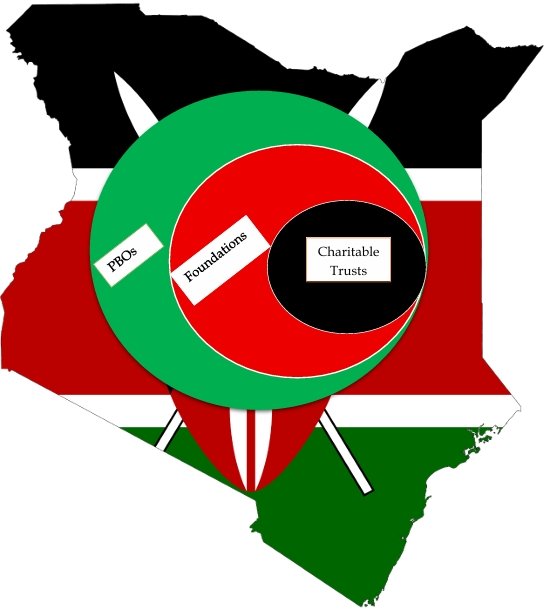
UNDERSTANDING PBOs, FOUNDATIONS & CHARITABLE TRUSTS IN KENYA
NO. PUBLIC BENEFIT ORGANIZATION (PBO) FOUNDATION CHARITABE TRUST 1. A PBO is a group of individuals

CHANGES IN AN INCORPORATED TRUST IN KENYA
Upon taking the trust registration mandate on 3rd June 2024, the Business Registration Service (BRS)
REGISTRATION OF TRUSTS IN KENYA
On 3rd June 2024, the Business Registration Service (BRS) started receiving new application for regi
Leave a Reply